Check the points of contact
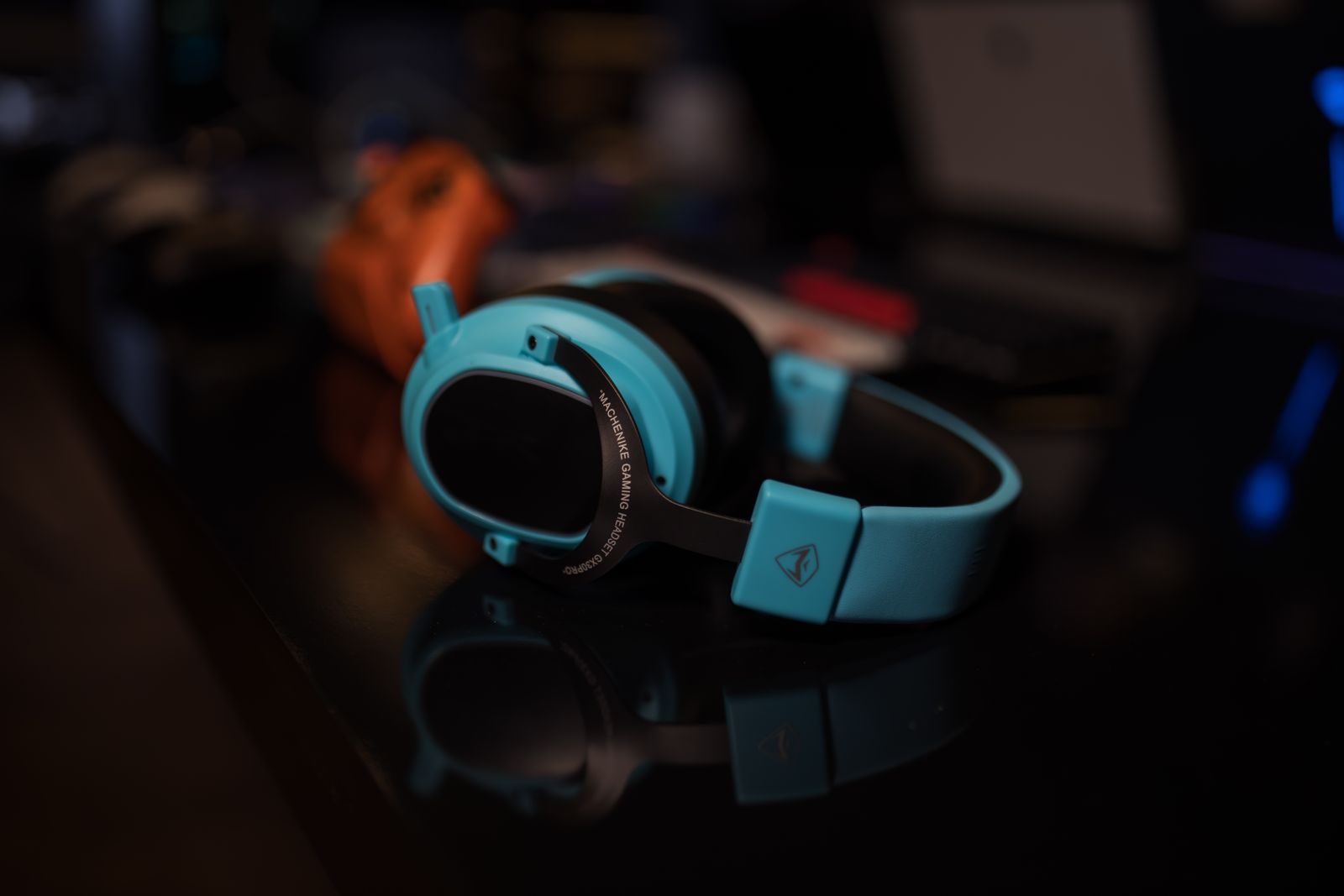
Adjust the headband so the ear cups sit around or on the ears as intended without the band carrying pressure in one small spot. Cup openings, pad depth and the available swivel range all affect the fit. A low total weight does not guarantee comfort if the pressure is concentrated, and a larger cup is not automatically a better match.
Wear glasses or any other item you normally use while playing during the comparison. The arms of glasses can change the contact around the pads. Notice whether the headset shifts when you look down at the keyboard or turn toward another person. A fit that works only while sitting perfectly still is incomplete.
Include the controls and cable
Reach the volume and mute controls without looking. Their position should be distinguishable from nearby power or mode buttons. If the microphone folds or detaches, check whether that action also mutes it; do not assume a physical movement changes the microphone state unless the manual says so.
For a wired headset, route the cable as it will be used. Check whether it catches on the chair or pulls when you turn. For a wireless model, confirm the charging connection and whether normal use can continue while charging. Battery-life conditions and the weight of a cable attached during use both belong in the evaluation.
Inspect replacement-pad availability and the cleaning guidance. Pads are wear items, and a headset used frequently may need maintenance before its electronics become outdated. The ability to buy a correct replacement can matter more over time than an extra lighting mode.
Use a normal listening level
Compare spoken dialogue, game effects and voice chat at a comfortable moderate volume. Do not turn the level up merely to make a new headset sound more impressive. If background noise makes you raise it continually, consider the room and isolation needs instead of treating volume as the solution.
Take breaks and remove the headset periodically. A purchase cannot guarantee comfort for an uninterrupted session of any length. If a specific pressure point or fit problem persists, use the return period to assess another shape rather than assuming that every pad will soften enough to solve it.
Record the actual reason for choosing a model: adequate ear clearance, reachable mute, compatible connection or manageable weight. That keeps the decision grounded in use. A headset that meets those needs is a clearer choice than one selected from a long feature list without checking how it fits.